
Meal Preparation
Find Meal Preparation Help for Seniors at Home
Preparing regular meals can become harder when an older adult wants to remain at home but needs help with cooking, shopping, or kitchen tasks.
CareMatch at Home searches for up to two available caregivers based on your loved one’s location, preferred schedule, food preferences, shopping needs, and the type of meal preparation help requested.
Speak directly with each caregiver, ask questions, and decide whether the arrangement fits your family’s needs.
Free for families. No obligation.
CareMatch is a caregiver matching service, not a direct meal preparation provider. Cooking duties, schedules, rates, grocery expenses, payments, and ongoing arrangements are handled directly with the caregiver you choose.
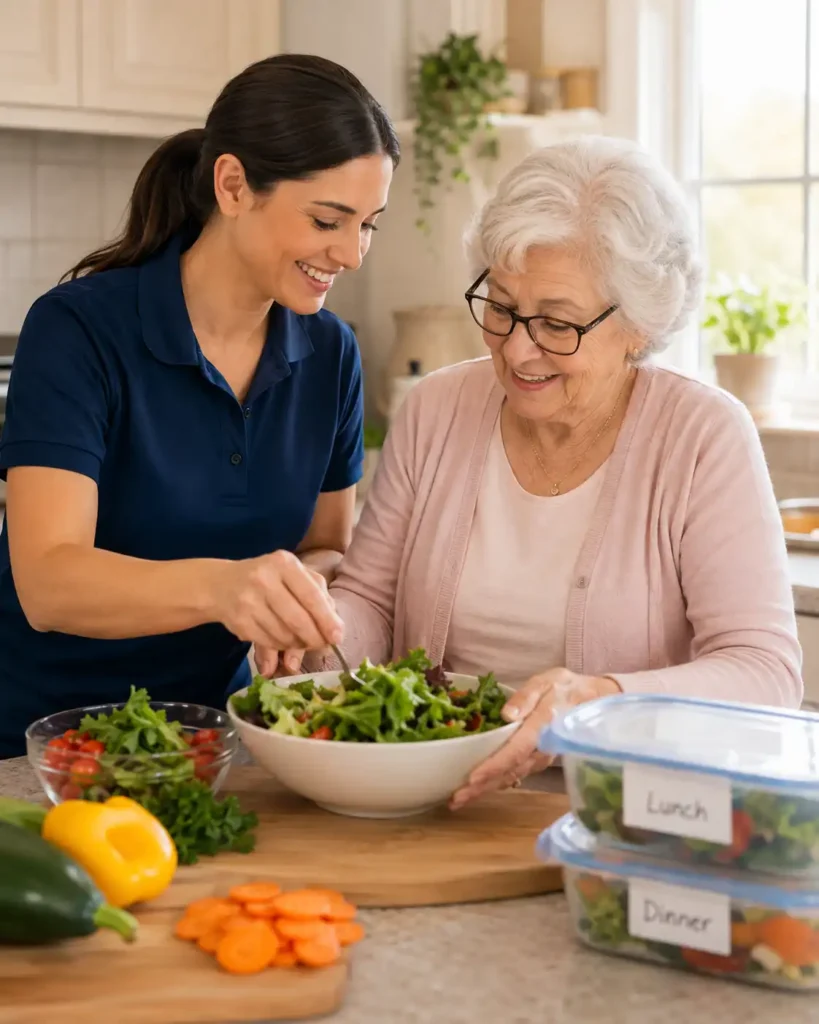
Meals Prepared Around Familiar Preferences
In-home meal preparation can be arranged around your loved one’s usual foods, portion sizes, mealtimes, and familiar recipes.
Help may involve preparing a meal during the visit, making food in advance, or dividing cooked meals into portions for later use. Families can share preferred dishes, foods their loved one avoids, and other established meal instructions before care begins.
This allows the service to reflect the older adult’s normal eating habits rather than relying on a fixed menu.
What We Cover
What Meal Preparation Help May Include
Meal preparation can cover practical tasks before, during, and after mealtimes. Selected duties may include:
Meal Planning
Planning simple meals for the agreed schedule.
Breakfast, Lunch & Dinner
Preparing breakfast, lunch, dinner, or snacks.
Grocery Lists
Creating grocery lists.
Grocery Shopping
Shopping for food when arranged in advance.
Portioning & Storing
Portioning and storing prepared meals.
Washing Dishes
Washing dishes after cooking.
Kitchen Cleanup
Cleaning counters, utensils, and used cooking areas.
Mealtime Reminders
Offering drinks or simple mealtime reminders.
The exact duties should be confirmed directly with the caregiver before the first visit.
When Meal Preparation Help May Be Useful
Families often consider meal preparation help when grocery shopping, standing at the counter, lifting cookware, or preparing regular meals becomes difficult.
It may also be useful during recovery from an illness, after a hospital stay, or when changes in mobility make kitchen tasks more demanding. Families may notice skipped meals, unused groceries, or a growing reliance on only a few easy foods.
Family visits may already be focused on appointments, household needs, or personal care, leaving limited time for shopping and cooking. Meal preparation help can make those responsibilities more manageable.
If meal difficulties are part of broader memory or daily-living changes, dementia care may be a more suitable option.
Our Difference
Why Families Use CareMatch
Meal preparation requires more than general caregiver availability. The caregiver must also be willing to cook, complete the selected kitchen tasks, and work with the family’s food preferences.
CareMatch uses the details you provide to narrow the search around location, visit times, shopping requirements, meal preferences, and the meal preparation experience described by available caregivers.
You can discuss the planned meals, schedule, rates, grocery arrangements, and other details directly before making a decision.
Matching is free for families.
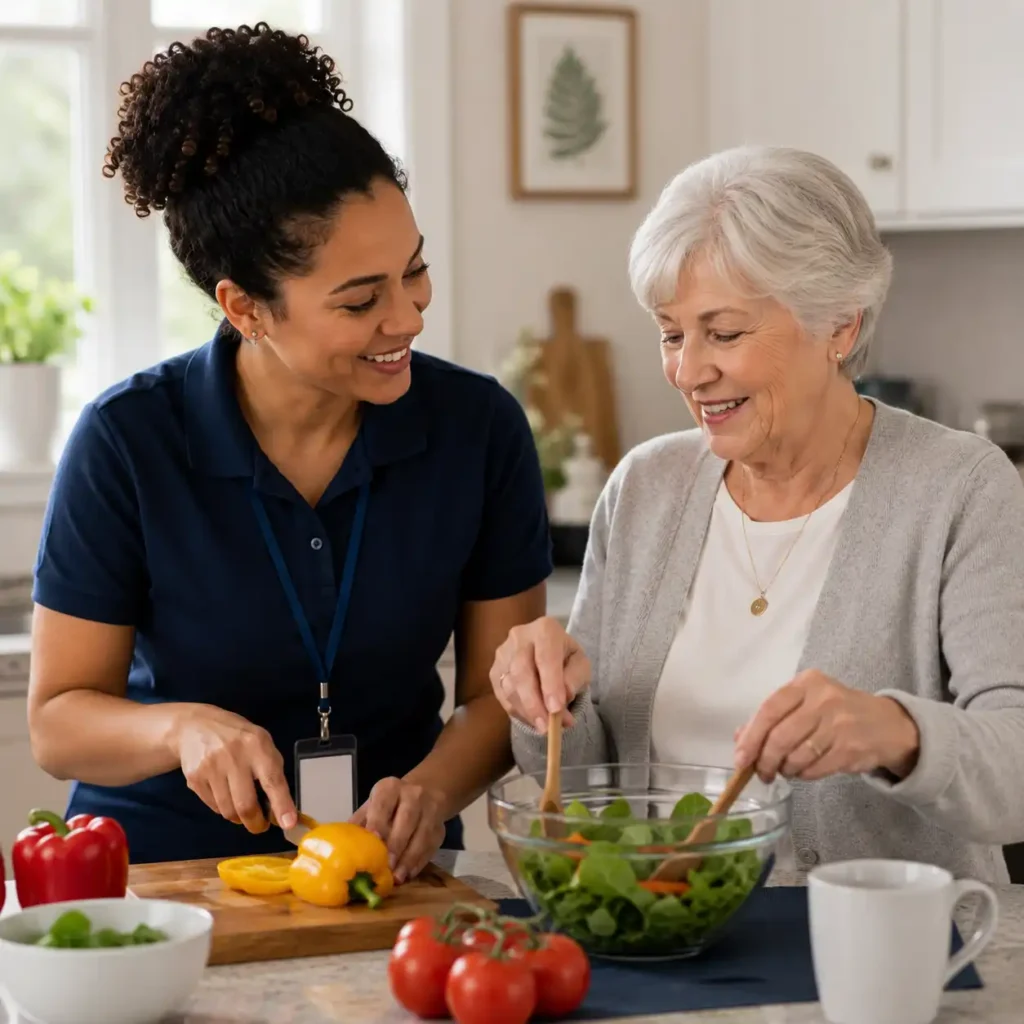
Looking for Meal Preparation Help at Home?
Tell CareMatch about your loved one’s schedule, location, food preferences, and the type of kitchen help needed.
Tell us what kind of meal preparation help is needed.
Simple Process
How Meal Preparation Matching Works
- 01
Share the Meal Preparation Details
Tell CareMatch which meals need to be prepared, how often help is required, whether grocery shopping is needed, and any food preferences or established dietary instructions.
- 02
Review Caregiver Introductions
The matching team uses the information provided to identify caregivers serving your area who may be available for the requested schedule and willing to provide the selected meal-related duties. Timing depends on local caregiver availability.
- 03
Discuss the Arrangement Directly
Speak with each caregiver about the planned duties, visit length, rates, shopping arrangements, and preferred start date. Your family can then decide whether to arrange the service.
FAMILIES WE’VE HELPED
What Our Customers Say
Families looking for meal preparation help for seniors use CareMatch at Home to find caregivers who can assist with simple meal planning, grocery organization, food preparation, and everyday kitchen support while helping older adults remain comfortable at home.
“My mom was skipping meals because cooking had become too tiring. CareMatch at Home helped us find a caregiver who could prepare simple meals, organize the kitchen, and make her daily routine much easier.”
Nancy B.
- Sudbury, MA · Daughter
“Dad still enjoys eating at home, but preparing meals safely was becoming difficult. CareMatch at Home connected us with caregiver options who could help with meal preparation and keep his usual food routine more manageable.”
Thomas G.
- Concord, MA · Son
“We wanted practical meal support without changing how Mom likes to live. CareMatch at Home introduced us to caregivers who could help with everyday food preparation, light kitchen tasks, and keeping regular mealtimes on track.”
Rebecca S.
- Marblehead, MA · Daughter
Get Started Today
Make Mealtimes Easier at Home
Tell CareMatch about your loved one’s meal preferences, schedule, location, shopping needs, and the kitchen tasks that would be most useful.
Matching is available in supported communities across Massachusetts and in the Phoenix and Dallas areas.
Review available matches and choose what works for your family.
RELATED SERVICES
Explore More CareMatch at Home Services
Personal Care
Receive respectful assistance with bathing, grooming, dressing, and other personal routines at home.
Post-Surgery Care
Get dependable support with daily routines, mobility, meals, and household tasks during recovery at home.
Senior Transportation
Get safe, reliable transportation and accompaniment for appointments, errands, shopping, and social activities.
Respite Care
Take time to rest and recharge while a trusted caregiver provides dependable support for your loved one.
24-Hour Home Care
Get dependable around-the-clock support that helps your loved one remain safe and comfortable at home.
Companion Care
Enjoy meaningful companionship and daily engagement that help your loved one feel connected and supported.
Dementia Care
Get compassionate daily support that promotes familiar routines, comfort, safety, and greater peace of mind.
Common Questions
Frequently Asked Questions (FAQs)
Grocery shopping may be included when it is arranged in advance and the caregiver agrees to provide it. Confirm shopping time, transportation, mileage, reimbursement, and whether groceries will be purchased in person, collected, or delivered. Families who need broader travel help may also consider transportation assistance.
Yes, if there is enough visit time and the caregiver agrees to the plan. Families can discuss preparing several portions at once so a senior has ready-to-eat meals available between scheduled visits.
The family is responsible for grocery costs. Before shopping begins, agree on the spending limit, payment method, receipt handling, and reimbursement process. Any mileage or transportation charges should be discussed separately.
A caregiver may prepare meals using clear written instructions provided by the family or a qualified healthcare professional. Ask about the caregiver’s experience before arranging meals involving allergies, modified textures, or complex dietary requirements. Swallowing concerns and changes to food texture should be reviewed with an appropriate healthcare professional.
Rates vary based on location, schedule, visit length, shopping needs, and the duties involved. Some caregivers may require a minimum visit length. CareMatch does not charge families for matching. Caregiver rates, grocery expenses, shopping time, mileage, and any other agreed costs are handled directly with the caregiver.
Meal delivery brings prepared food to the home. In-home meal preparation involves a caregiver cooking during a scheduled visit and completing the kitchen duties agreed upon with the family. It may be more suitable when the older adult wants familiar meals prepared at home or needs help with related kitchen tasks.
Usually, yes. Sharing written recipes, preferred ingredients, portion sizes, and cooking methods can help the caregiver prepare foods that feel familiar. This can be especially useful for seniors who prefer meals they have eaten for many years.
Make a simple list of preferred meals, foods to avoid, usual mealtimes, available ingredients, and where kitchen items are stored. Also explain which appliances the caregiver may use and any household routines that should be followed.
Ask each caregiver about the types of meals they have prepared, their comfort with the requested dishes, shopping availability, and experience preparing, storing, and reheating meals safely. You can also ask whether they have completed food-safety training, but this should not be assumed unless the caregiver provides confirmation.
Serving Your Area
Find Care in Your City
CareMatch at Home serves families across the United States’ fastest-growing senior markets.