
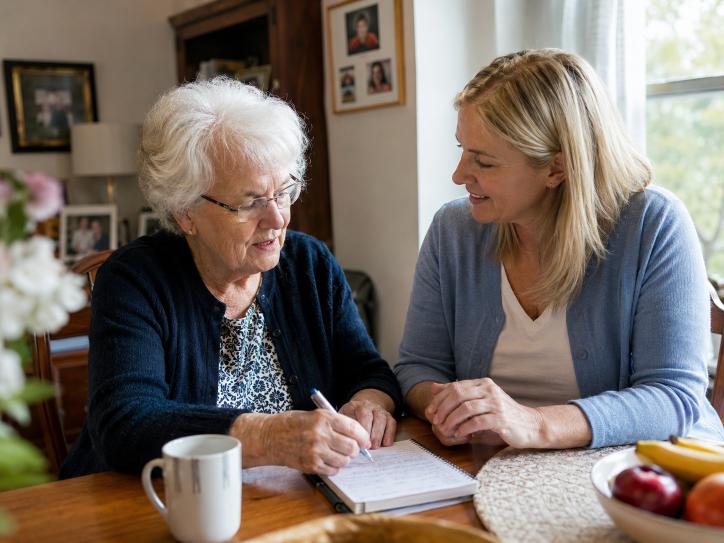
Daily living support improves quality of life for seniors by helping them manage everyday tasks while staying as independent as possible. The right support can make personal care safer, help seniors maintain regular meals and routines, encourage social connection and meaningful activity, and allow them to keep making choices about how they live each day.
As everyday tasks become harder with age, even a small amount of help can make life at home more manageable. For families across the United States, CareMatch at Home helps connect older adults with vetted non-medical home care providers for needs such as personal care, companionship, meal preparation, transportation, and other daily support. The goal is to provide help where it is needed without taking away the senior’s independence.
Daily living support can include basic Activities of Daily Living, or ADLs, such as bathing, dressing, eating, and mobility. It can also include Instrumental Activities of Daily Living, or IADLs, such as preparing meals, shopping, transportation, and household tasks. Understanding these needs can help families decide what type and level of support may improve a loved one’s daily life.
What Is Daily Living Support for Seniors?
Daily living support means helping an older adult with everyday activities that have become difficult, tiring, or unsafe to manage alone. The amount of help depends on the person. Some seniors only need support with shopping, transportation, or housework. Others may need regular help with bathing, dressing, meals, or moving around the home.
The National Institute on Aging includes bathing, dressing, grooming, using the toilet, and eating among the everyday activities that older adults may need help with when living at home. These basic tasks are usually called Activities of Daily Living, or ADLs.
Activities of Daily Living, or ADLs
ADLs are basic personal tasks people need to manage each day. They commonly include:
- Bathing and showering
- Dressing
- Grooming
- Toileting
- Eating
- Walking and mobility
- Getting in and out of a bed or chair
A senior does not have to struggle with every ADL before support becomes useful. Sometimes help with only one or two tasks can make the rest of the day much easier.
Instrumental Activities of Daily Living, or IADLs
Instrumental Activities of Daily Living are tasks that support independent life at home. They are often more complex than basic personal care.
Common examples include:
- Preparing meals
- Grocery shopping
- Light housekeeping
- Laundry
- Transportation
- Running errands
- Organizing appointments
- Medication reminders
- Managing everyday household routines
A senior may be able to bathe and dress without help but still have trouble shopping, preparing meals, driving, or keeping the home organized. This is why families should look at the whole daily routine instead of focusing only on personal care.
7 Ways Daily Living Support Improves Quality of Life for Seniors
Daily living support can improve a senior’s quality of life in several ways. It can make everyday activities easier and safer while helping older adults stay independent, follow familiar routines, maintain social connections, and continue doing activities they enjoy.
The right support should not take over a senior’s life. It should provide help where it is needed while allowing the person to keep making choices and using the abilities they still have.
1. Helps Seniors Maintain Independence and Confidence
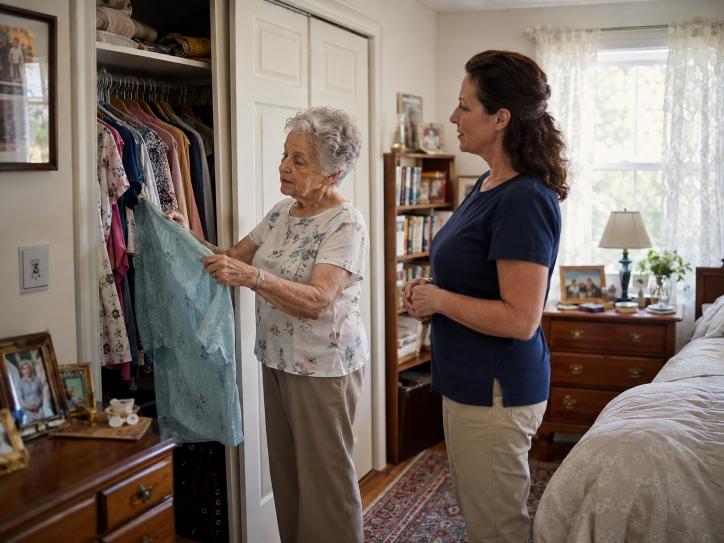
Needing help with some daily tasks does not mean a senior has to give up independence. In many cases, the right level of support can help an older adult continue doing more for themselves.
For example, a caregiver may prepare everything needed for a shower while allowing the senior to complete parts of personal care independently. During meal preparation, the caregiver may handle difficult kitchen tasks while the senior chooses the meal or helps with simpler steps. Independence also means having a say in everyday decisions. Seniors should be involved in choosing their clothes, meals, activities, outings, and daily schedules whenever possible.
Good daily living support focuses on what a person can still do, not only on what has become difficult. This can help seniors maintain confidence while receiving the assistance they need.
2. Makes Everyday Activities Safer
Normal activities can become more difficult as balance, strength, vision, or mobility change with age. Bathrooms, stairs, cluttered floors, cooking tasks, and getting in or out of a chair may require more care than they once did.
Daily support can make these activities easier to manage. A caregiver may stay nearby during personal care, provide support while the senior moves around the home, assist with transfers, or help keep commonly used areas organized.
The goal is not to stop seniors from being active. It is to give them the right level of support so they can continue participating in everyday activities with greater confidence.
3. Supports Personal Care and Dignity
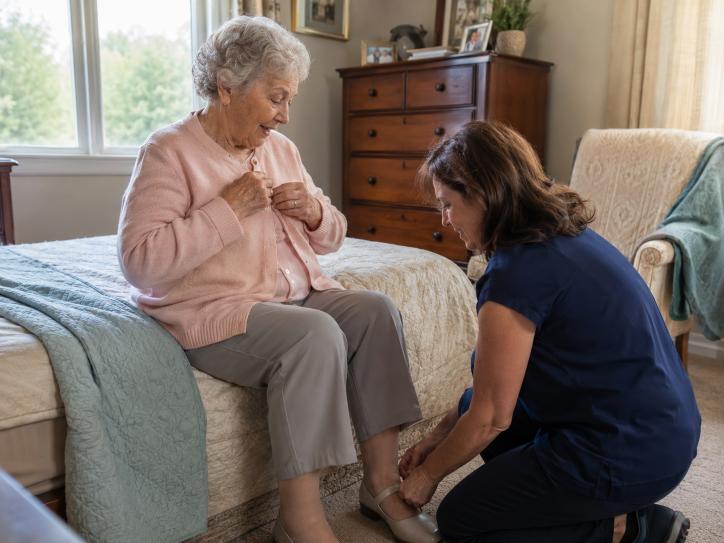
Bathing, dressing, grooming, and toileting are personal parts of everyday life. When these tasks become difficult, some seniors may feel uncomfortable asking family members for help or may try to manage alone.
Respectful personal care can help an older adult stay clean, comfortable, and well-groomed while protecting privacy and dignity. A caregiver should provide only the assistance that is needed. For example, a senior may be able to choose their clothes and dress independently but need help with buttons, shoes, or getting safely in and out of the shower.
This approach allows the person to remain involved in their own care instead of feeling that everything is being done for them.
4. Helps Seniors Maintain Regular Meals

Shopping and preparing meals can become tiring as a person gets older. Carrying groceries, standing for long periods, chopping ingredients, cooking, and cleaning afterward may take more energy than before.
When cooking becomes difficult, some seniors may begin skipping meals or choosing whatever food is easiest to prepare. Daily living support can make mealtimes easier. A caregiver may help with grocery shopping, meal preparation, kitchen cleanup, or keeping meals on a regular schedule.
The senior can still be part of the process by choosing what they want to eat, sharing favorite recipes, or helping with simple preparation. This allows meals to remain a familiar and enjoyable part of the day rather than becoming another difficult task.
5. Creates a Comfortable Daily Routine
A regular routine can give the day useful structure. Familiar times for waking, personal care, meals, activities, rest, and bedtime can make everyday life easier to manage.
Daily living support can help seniors maintain these routines when certain tasks become difficult. A caregiver may help with breakfast, personal care, an appointment, household tasks, or getting ready for an afternoon activity. However, a routine should not feel strict. Seniors should still have choices about how they spend their day.
One person may enjoy starting the morning early and taking a walk after breakfast. Another may prefer a slower morning and social activities later in the day. The best routine is one that fits the senior’s habits, abilities, and preferences.
6. Encourages Movement and Meaningful Activities
A good daily routine should include more than basic personal care and household tasks. Seniors also benefit from opportunities to stay active and take part in activities they enjoy.
Everyday movement can be simple. Walking around the home, watering plants, helping prepare a meal, folding laundry, going outside, or taking a short shopping trip can all encourage participation in daily life.
Support can also make favorite activities easier to continue. A caregiver might help gather supplies for gardening or crafts, provide transportation to a community activity, take a walk with the seniors, or help them prepare to visit family and friends. Meaningful activities will be different for every person. Reading, music, cooking, puzzles, religious activities, sports, gardening, and family visits may all add enjoyment and purpose to the day.
The goal is not simply to keep a senior busy. It is to help them remain connected with activities that are important to them.
7. Supports Social Connection and Companionship
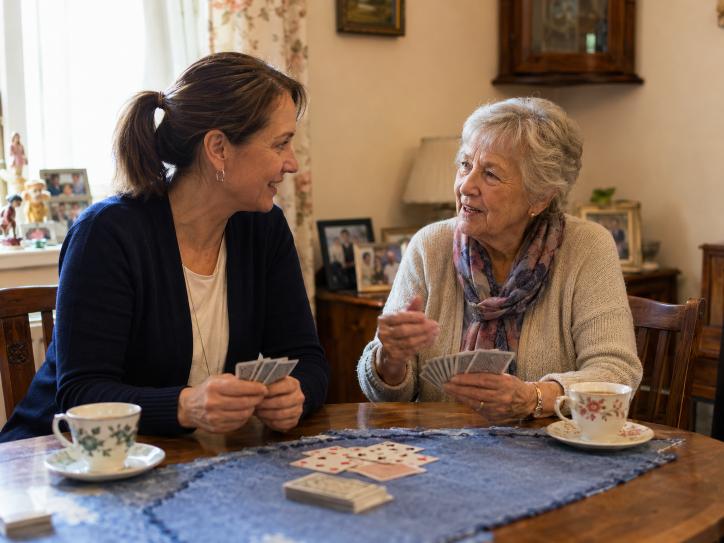
Social connection is an important part of quality of life. However, some seniors begin spending more time alone when driving becomes difficult, friends live farther away, or family members have work and other responsibilities.
Daily living support can provide regular opportunities for conversation and companionship. A caregiver may share a meal, take a short walk with the senior, play cards, talk about family memories, help with a hobby, or accompany them on an outing.
Companionship does not replace relationships with family and friends. Instead, it adds another source of regular human connection to the senior’s day. Daily support can also make it easier to stay connected with existing relationships. A caregiver may provide transportation for a family visit, help the senior prepare for a community event, or assist with making a phone or video call.
When seniors can stay connected with people and activities that matter to them, everyday life can feel more active, personal, and meaningful.
How Can Daily Living Support Help Seniors Age at Home?
Many older adults want to remain in their own homes as they grow older. The National Institute on Aging explains that services such as personal care, household help, meals, and other support can help address needs that arise while aging at home.
A familiar home can allow a senior to stay close to neighbors, routines, belongings, pets, and community connections. Daily living support may make staying at home possible for some people by providing help with tasks that have become difficult.
This does not mean home care is the right choice for every senior. Some people may eventually need skilled nursing, medical care, or a residential setting that provides a different level of support. Families should base the decision on safety, health needs, personal wishes, available family support, and the type of care required.
Daily Living Support at Home vs. Assisted Living
Both options can support seniors, but they provide care in different settings.
| Daily Living Support at Home | Assisted Living |
| Senior remains in their own home | Senior moves to a residential community |
| Help can focus on selected daily needs | Support is provided within the community |
| Familiar routines can continue at home | New community routines are introduced |
| Care schedule can be based on individual needs | Services may follow facility schedules |
| Family can remain closely involved | Staff are available within the residence |
| Best fit depends on the senior’s care needs | Best fit depends on the senior’s care needs |
The right choice depends on the individual.
A senior who mainly needs help with meals, transportation, companionship, or personal care may be able to remain at home with support. Someone with more complex medical or safety needs may require another level of care.
Signs a Senior May Need Help With Daily Living
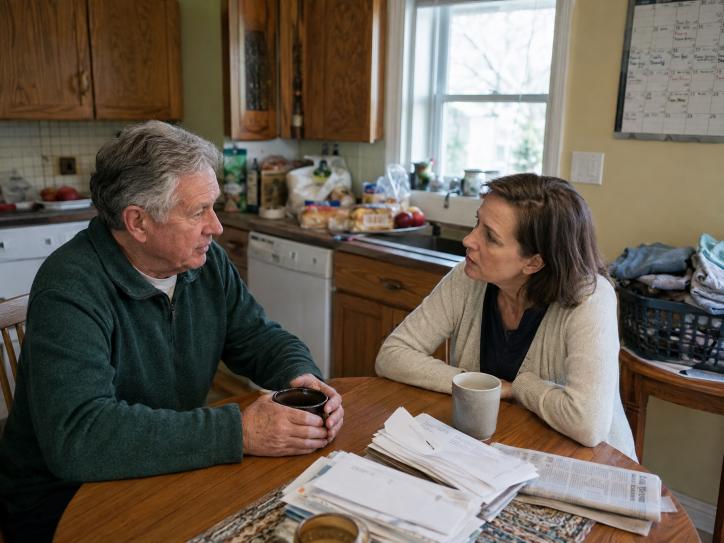
Changes in normal habits can sometimes show that everyday activities are becoming harder.
Families may notice:
- Meals are being skipped
- Food is spoiling in the refrigerator
- Bathing or grooming happens less often
- The same clothing is worn for several days
- Laundry and household chores are piling up
- The home has become more cluttered
- Appointments are being missed
- Grocery shopping has become difficult
- The senior rarely leaves the house
- Getting out of a bed or chair has become harder
- Family caregivers are struggling to keep up
- Normal daily tasks take much longer than before
One sign alone does not mean a person needs full-time care. Start with a conversation. Ask what feels difficult and what kind of help your loved one would actually welcome.
How Can Families Help Without Taking Away Independence?
Families often step in because they want to keep a loved one safe. The challenge is helping without making the senior feel that every decision is being made for them.
Start by asking rather than assuming.
A parent may be comfortable receiving transportation help but may not want anyone preparing meals. Another senior may appreciate help with bathing but want to continue doing their own laundry.
Focus on the tasks that truly require assistance. It also helps to give choices. Ask what meal they would like, what time they want to go out, which clothes they prefer, or which activity sounds enjoyable.
These choices may seem small, but they protect a person’s sense of control. Families should also review care needs over time. What works today may need to change later.
What Should Families Look for in Daily Living Support?
A caregiver may spend a great deal of time with an older adult, so the right match matters.
Reliability and experience are important, but personality also matters. The senior should feel respected and comfortable around the person providing support. Families should look for someone who communicates clearly, respects privacy, understands personal preferences, arrives reliably, and encourages the senior to remain involved in daily life.
The caregiver should also understand the limits of non-medical care. When a senior requires skilled nursing or medical treatment, families should seek an appropriate medical provider.
CareMatch at Home focuses on non-medical in-home care and helps families connect with vetted providers based on their needs. The service covers areas such as companion care, personal care, dementia care, respite care, post-surgery support, meal preparation, senior transportation, and 24-hour care.
Conclusion
Daily living support improves quality of life for seniors by helping them remain safe, independent, socially connected, comfortable, and involved in everyday life. It can provide practical help with personal care, meals, mobility, transportation, household tasks, and routines while allowing older adults to continue making their own choices.
The best support does not simply complete tasks for a senior. It helps them keep using the abilities they still have. It can make aging at home more manageable for some older adults, help them stay involved in meaningful activities, support regular social contact, and give families another source of help.
The right amount of support will be different for every person. Some seniors only need help with shopping or transportation. Others may need daily personal care, meal preparation, companionship, or more regular supervision. Families should look at the whole person, including their abilities, safety, preferences, routines, and goals.
In short, daily living support can improve a senior’s quality of life when it provides help where it is needed without taking away independence where it is not. Good support should make everyday life easier while protecting dignity, choice, comfort, and connection.
Find Daily Living Support That Fits Your Loved One
If everyday tasks are becoming harder for your parents or loved ones, the right support can make daily life easier without taking away their independence.
CareMatch at Home helps families connect with vetted non-medical home care providers for personal care, companionship, meal preparation, transportation, and other daily living needs. The matching service is free for families, with no obligation.
Ready to find the right support for your loved one? Contact us or start the free Care Finder today to get matched with care that fits your family’s needs.
Frequently Asked Questions About Daily Living Support
What are the most important activities of daily living for seniors?
The main Activities of Daily Living include bathing, dressing, grooming, eating, toileting, and mobility. These are basic personal tasks that allow a person to manage everyday life. Some seniors may need help with only one activity, while others may need support with several.
How does daily living support help seniors stay independent?
Daily living support helps seniors stay independent by providing assistance with difficult tasks while allowing them to continue doing what they can on their own. The caregiver can support the task without automatically taking control of it.
What is the difference between ADLs and IADLs?
ADLs are basic personal care tasks such as bathing, dressing, eating, and toileting. IADLs are more complex activities that support independent living, such as cooking, shopping, housekeeping, transportation, and organizing everyday needs.
Can daily living support help seniors stay in their own homes?
Yes, it can help some seniors remain at home longer by providing assistance with personal care, meals, transportation, household activities, companionship, and other daily needs. Whether home care is suitable depends on the senior’s health, safety, and level of support required.
When should a senior get help with daily activities?
Extra help may be useful when normal tasks become difficult, exhausting, confusing, or less safe. Families may first notice changes in meals, hygiene, housekeeping, transportation, mobility, or social activity.
What can a non-medical caregiver help with?
Non-medical support can include personal care, companionship, meal preparation, transportation, light household help, errands, and medication reminders. CareMatch at Home specializes in connecting families with providers for non-medical care rather than skilled medical treatment.
How does companionship improve quality of life for seniors?
Companionship provides conversation, shared activities, outings, and regular social contact. This can help a senior remain connected with other people and involved in enjoyable activities. Social connection is an important part of healthy aging.
How much daily support does a senior need?
There is no set amount that works for everyone. Some seniors need a few hours of help during the week. Others need daily or extended support. The schedule should be based on the person’s abilities, routines, safety, preferences, and care needs.