
20 Things Not to Say to Someone With Dementia

The most important things not to say to someone with dementia are phrases that test their memory, repeatedly correct them, rush them, dismiss their feelings, argue over facts, or make them feel incapable. Common examples include “Do you remember?”, “I just told you that,” “You’re wrong,” “Calm down,” and “Don’t you know who I am?” […]
How Many Hours of Respite Care Are You Allowed?

There is no universal limit on how many hours of respite care you are allowed. Respite care may last a few hours, a full day, overnight, or several days. Your actual allowance depends on who pays for the care, the type of respite service, your care needs, your state, and the rules of the program […]
How to Deal With a Parent With Dementia

Learning how to deal with a parent with dementia starts with changing how you respond to memory loss, confusion, anger, repeated questions, and resistance to care. Stay calm, use simple language, avoid unnecessary arguments, keep routines familiar, and look for possible triggers behind difficult behavior. If your parent becomes angry or refuses help, give them […]
The Duties and Responsibilities of a Caregiver

Caregivers commonly have five core responsibilities: providing personal care and daily living assistance, preparing meals and supporting nutrition, supporting medication and health routines, providing companionship and emotional support, and maintaining a safe and comfortable home. The exact duties depend on the person’s needs, the caregiver’s role, training, and applicable requirements. Caregiving can also involve transportation, […]
Useful Distraction Techniques for Dementia Caregivers
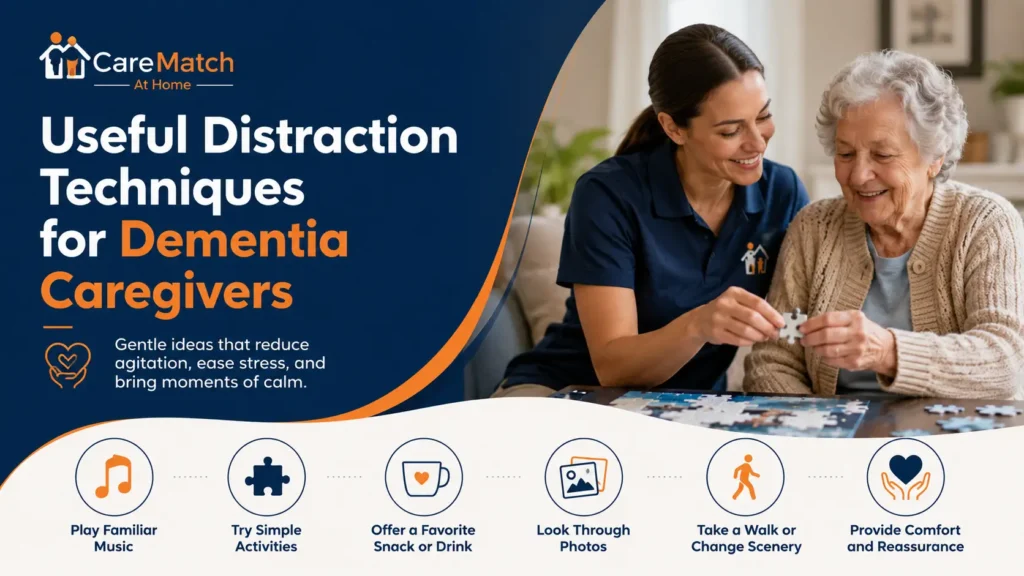
Distraction techniques for dementia caregivers can help redirect a person’s attention when they are agitated, restless, repetitive, confused, or focused on something upsetting. Effective options include familiar music, simple household tasks, family photographs, favorite drinks or snacks, sensory activities, walks, and conversations about familiar interests. Before trying to distract someone with dementia, check whether an […]
How Does Daily Living Support Improve Quality of Life for Seniors?
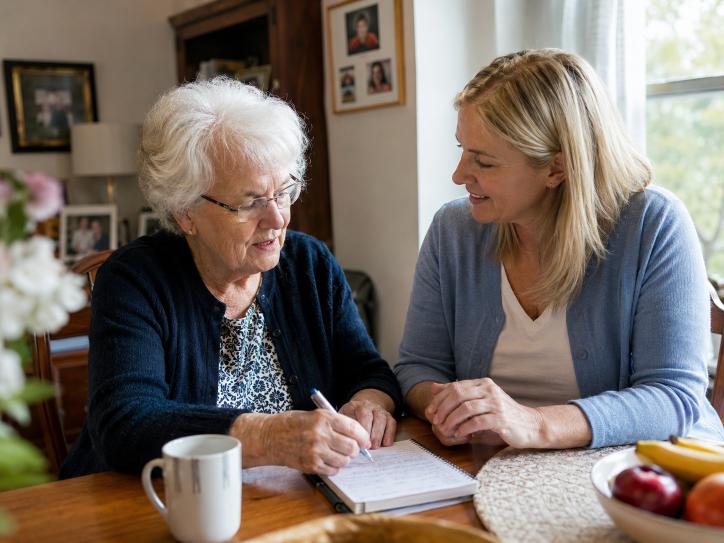
Daily living support improves quality of life for seniors by helping them manage everyday tasks while staying as independent as possible. The right support can make personal care safer, help seniors maintain regular meals and routines, encourage social connection and meaningful activity, and allow them to keep making choices about how they live each day. […]
11 Signs It Might Be Time for Assisted Living
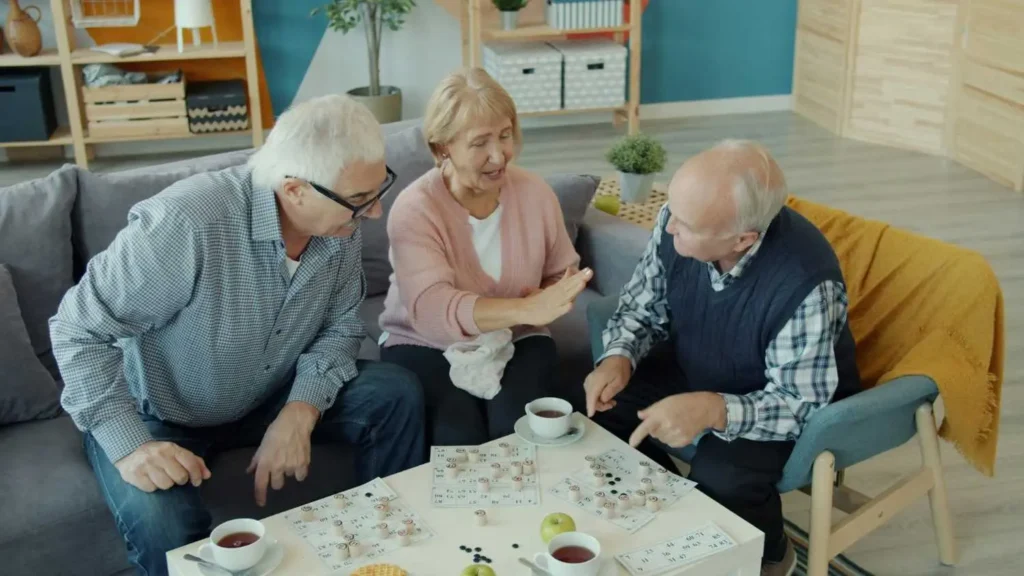
It may be time to consider assisted living when repeated changes make daily life harder or less safe to manage at home. The decision often depends on whether concerns are becoming more frequent, getting worse, or no longer manageable with the help currently available. Assisted living combines housing with help for daily activities, but it […]
What Is Non-Medical In-Home Care? A Complete Guide

Non-medical in-home care provides practical assistance when everyday activities become difficult to manage safely. It allows people to receive non-clinical help while continuing to live where they feel most comfortable. Unlike home health care, it focuses on daily living rather than nursing, therapy, or medical treatment. Personal care and companion care are two common forms […]
Stages of Dementia: 7 Stages, Symptoms, and Care Needs
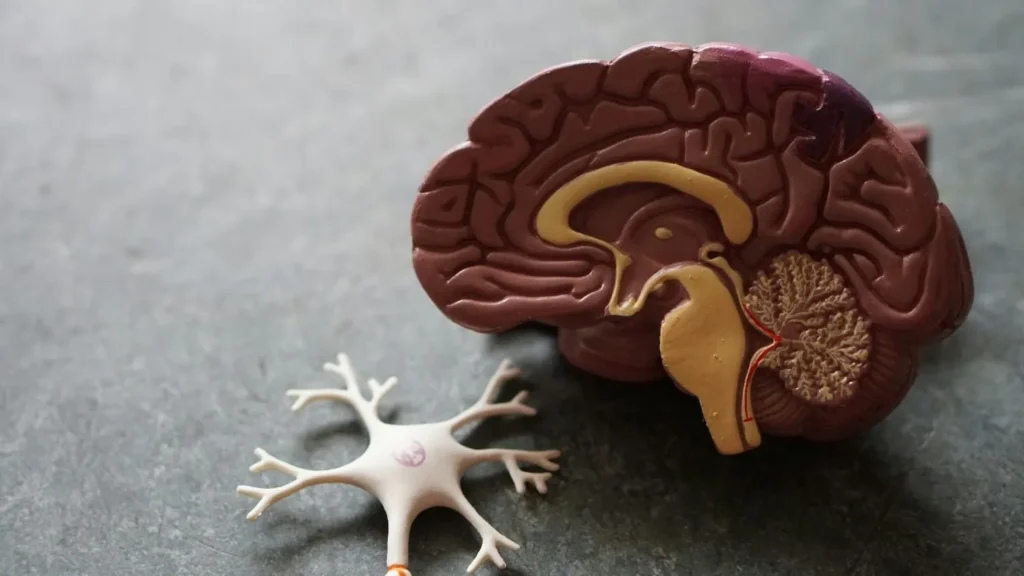
Dementia does not progress in one fixed or predictable way. Changes in memory, judgment, communication, and daily routines can appear gradually, overlap, or become noticeable at different times. Dementia is often described through three broad phases: early, middle, and late. The seven-stage Global Deterioration Scale offers a more detailed framework, but it was developed mainly […]
Assisted Living vs. Memory Care: What’s the Difference?

Choosing between assisted living and memory care often comes down to how much independence, structure, and dementia-focused help a person needs each day. Assisted living is generally suited to older adults who need help with everyday routines but can still manage many parts of daily life on their own. Memory care provides a more structured […]