

Non-medical in-home care provides practical assistance when everyday activities become difficult to manage safely. It allows people to receive non-clinical help while continuing to live where they feel most comfortable.
Unlike home health care, it focuses on daily living rather than nursing, therapy, or medical treatment. Personal care and companion care are two common forms of non-medical home care. The exact services and terminology can vary between providers.
This guide explains the services included, the limits of non-medical care, how it differs from home health care, and what families should consider when arranging help.
What Services Does Non-Medical In-Home Care Include?
Non-medical in-home care can include personal assistance, household help, transportation, companionship, and routine reminders. The exact services depend on what the person needs and what has been agreed with the caregiver.
Help With Activities of Daily Living
Activities of daily living are basic personal tasks completed each day. A caregiver may help with:
- bathing, grooming, and dressing
- toileting and eating
- getting in or out of bed or a chair
- moving safely around the home
Some people only need reminders or light assistance. Others may need more direct help with personal routines.
Household Tasks and Transportation
Caregivers may also assist with tasks that help the household run smoothly, including:
- meal preparation
- light housekeeping and laundry
- grocery shopping and errands
- transportation to appointments or other activities
Transportation depends on the caregiver, access to a suitable vehicle, insurance requirements, and the agreed arrangement.
Companionship, Reminders, and Daily Routines
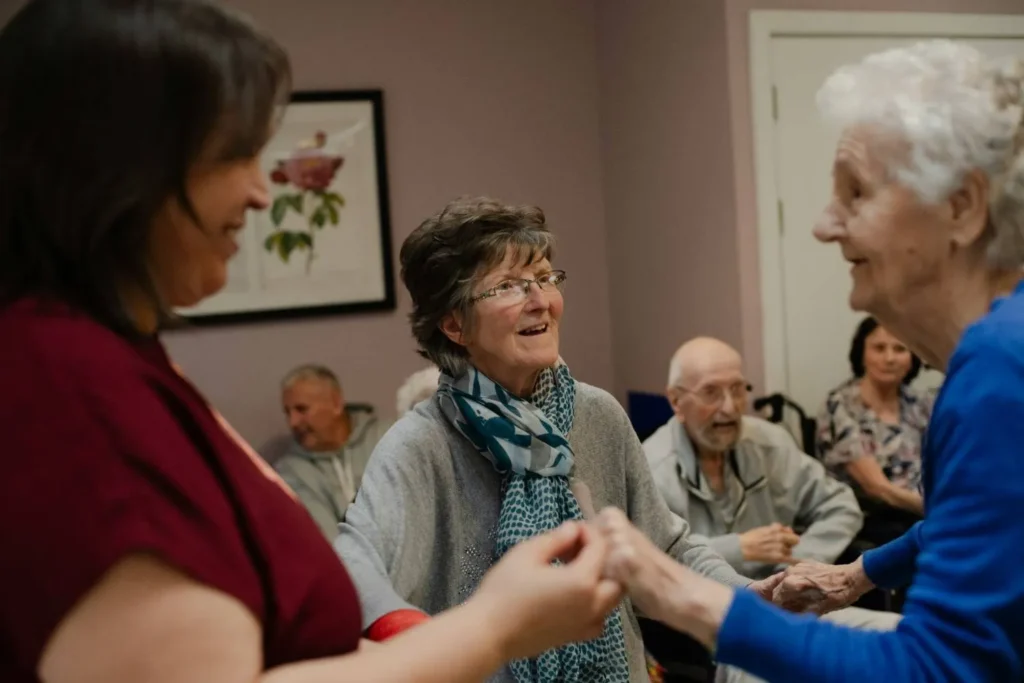
Non-medical care can provide regular social contact for someone who spends much of the day alone. Companionship may include conversation, shared activities, walks, or outings.
A caregiver can also help the person follow familiar routines and provide agreed reminders for meals, appointments, hydration, or other everyday tasks.
What Can and Can’t a Non-Medical Caregiver Do?
Non-medical caregivers provide everyday assistance rather than skilled clinical treatment. Permitted duties can vary according to caregiver training, state requirements, and the agreed care arrangement.
Medication Reminders and Medication Assistance
A caregiver may provide medication reminders and limited agreed assistance when the person takes medication independently.
Preparing doses, administering medication, or changing a medication schedule may require additional authorization or a licensed professional. Caregivers should report suspected side effects rather than make treatment decisions.
Tasks That Require a Licensed Healthcare Professional
Non-medical caregivers generally do not provide:
- skilled nursing, injections, or wound care
- medical assessments or clinical monitoring
- physical, occupational, or speech therapy
- diagnoses or changes to a treatment plan
A non-medical caregiver can still notice a concern and communicate it to the family or healthcare team. Serious or sudden changes require appropriate medical help rather than additional non-medical assistance alone.
Non-Medical Home Care vs. Home Health Care
Non-medical home care and home health care can both be provided where a person lives, but they serve different purposes.
| Comparison | Non-Medical Home Care | Home Health Care |
| Main purpose | Help with daily living and household routines | Treat, monitor, or manage a medical condition |
| Typical provider | Caregiver or personal care aide | Licensed nurse or therapist; an aide may assist with personal care under an approved home health plan |
| Common services | Daily living and household assistance | Skilled nursing, therapy, and clinical monitoring |
| Doctor’s order | Usually not required | Required for Medicare-covered services; private arrangements may differ |
| Common payment | Usually private pay; long-term care insurance, Medicaid, or veterans’ benefits may help when eligible | Medicare, Medicaid, insurance, or private pay depending on eligibility |
Coverage and eligibility vary by program, location, and individual circumstances. Medicaid and eligible veterans’ programs may provide certain home and community-based personal care services.
Medicare may cover home health care when it is ordered by an authorized provider and the person meets the program’s requirements. It generally does not cover ongoing personal or household help when that is the only assistance required.
A person can receive both types of care. They may have nursing or therapy visits while receiving non-medical help between clinical appointments.

Who May Benefit From Non-Medical Care at Home?
Non-medical care may suit people who need regular help with daily living, whether or not they also receive separate medical services.
Older Adults Who Need Daily Assistance
An older adult may benefit when personal routines, household responsibilities, transportation, or mobility become difficult to manage without help.
Assistance can focus on challenging tasks while the person continues handling other activities independently.
Adults With Disabilities, Health Conditions, or Recovery Needs
Non-medical care may help adults with disabilities, mobility limitations, chronic conditions that affect daily activities, or temporary restrictions during recovery.
A caregiver can assist with non-clinical routines, while nurses, therapists, or other licensed professionals manage medical treatment and rehabilitation.
Family Caregivers Who Need Additional Help
Scheduled assistance may help when family availability does not cover every part of the person’s daily routine. This may apply when family members work, live far away, have physical limitations, or manage other responsibilities.
Short-term assistance can also give a primary caregiver time to rest, attend appointments, or handle other commitments.
How Is Non-Medical In-Home Care Arranged?
Families can arrange care through an agency, an independent caregiver, or a matching service after identifying the type and timing of assistance needed.
Assessing Care Needs and Choosing a Schedule
Begin by identifying which daily activities require assistance and when that help is most useful.
Care may be arranged for occasional visits, regular daily hours, overnight assistance, or another agreed schedule. It can begin during the most important times of day and be adjusted as circumstances change.
Creating a Non-Medical Care Plan
A care plan defines the agreed tasks, visit schedule, personal preferences, and important contact information.
It should also clarify any limits on the caregiver’s role. This gives the person, family, and caregiver a shared understanding of what should happen during each visit.
The plan should be reviewed when the amount, timing, or type of assistance changes.
Agency, Independent Caregiver, or Matching Service
An agency usually manages caregiver assignments, scheduling, payroll, and employment responsibilities. The level of caregiver choice and scheduling flexibility varies by agency.
Hiring an independent caregiver may provide more control over caregiver selection and rates. However, the family may be responsible for screening, scheduling, payment, and arranging backup care.
A matching service introduces families to potential caregivers. The family usually interviews the matches and decides whether to arrange care directly with one of them.
How Much Does Non-Medical In-Home Care Cost?
The cost of non-medical in-home care varies by location, schedule, level of assistance, and whether care is arranged through an agency or directly with a caregiver.
In 2026, the national median cost of non-medical in-home care is approximately $35 per hour, although local rates can differ.
Most non-medical care is paid for privately. Long-term care insurance or certain public benefit programs may contribute when eligibility requirements are met.
Families should ask what the quoted rate includes and whether minimum visit requirements apply before agreeing to care.
Read our in-home care cost guide for a closer look at rates, payment options, and cost factors.
When Is Non-Medical In-Home Care Not Enough?
The care arrangement should be reviewed when ongoing changes in mobility, behavior, or the ability to manage personal care and daily activities make the current assistance insufficient. The person may need longer caregiver visits, additional non-medical help, or an assessment from a healthcare professional.
Sudden symptoms require a different response. Call 911 for signs of a medical emergency, such as chest pain, difficulty breathing, loss of consciousness, or possible stroke symptoms.
Frequently Asked Questions About Non-Medical In-Home Care
Is non-medical home care only for older adults?
No. It may also help adults with disabilities, recovery needs, or difficulty managing daily activities.
Is a doctor’s order required?
Usually not. However, some insurance or public benefit programs may require an assessment or approval.
Can a non-medical caregiver give medication?
A caregiver may provide reminders, but administering medication depends on training, authorization, and state rules.
Can non-medical in-home care be temporary?
Yes. It may be arranged during recovery, a family caregiver’s absence, or another period when short-term assistance is needed.
Is overnight or 24-hour assistance available?
Yes. Some caregivers and providers offer overnight or 24-hour assistance, although availability and rates vary.
Does Medicare cover non-medical home care?
Medicare generally does not cover personal or household assistance when it is the only care a person needs.
Get Matched With a Non-Medical In-Home Caregiver
CareMatch at Home connects families with up to two vetted, background-checked home care provider matches based on the person’s location, schedule, and care needs. Matches are generally introduced within 24 hours, and the matching service is free for families.
CareMatch at Home is a matching service, not a care provider or employer. Families arrange services, scheduling, and payment directly with the provider they select.