
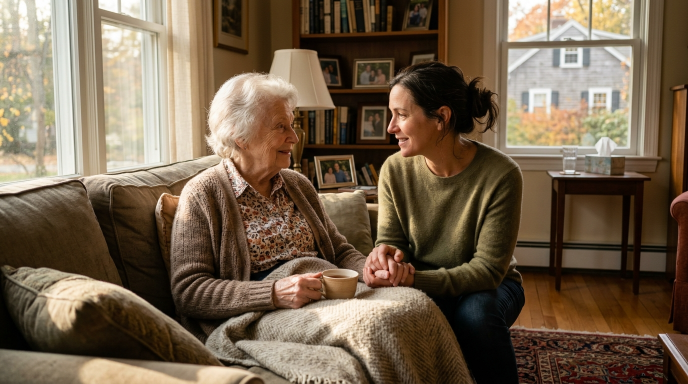
Families often notice small changes when caring for an aging parent or spouse. Your loved one may seem more forgetful, tired, confused, or unable to handle everyday tasks like they used to. Over time, these problems can become harder to manage without extra help. Caring for an older loved one often starts with simple help, like grocery shopping, checking in, or helping around the house.
If you are a family in search of trusted and compassionate home care support, At Care Match Home in Massachusetts is here to help. Many seniors do not like asking for help because they are afraid of losing their independence or becoming a burden. They may hide their health problems or pretend everything is fine. That is why families should watch for early signs that home care may be needed.
What Is Home Care for Seniors?
Home care is when a trained caregiver comes directly to your loved one’s home to help them with everyday tasks. This can include help with bathing, dressing, cooking meals, taking medications on time, light housekeeping, and simply being there for companionship. It is not the same as a nursing home or assisted living.
Your loved one does not have to go anywhere or give up the life they are used to. They stay in their own home, in their own space, with the extra support they need to stay safe, healthy, and comfortable.
Difference Between Home Care, Home Health Care, and Assisted Living
Home care and home health care both happen inside your loved one’s home, but they serve different purposes. Home care focuses on daily living support like bathing, cooking, medication reminders, and companionship.Home health care, on the other hand, is medical care provided at home such as wound care, physical therapy, or IV medication. It is usually ordered by a doctor after a hospital stay or diagnosis.
Assisted living is a completely different option. It means your loved one moves out of their home and into a facility that provides meals, activities, and around the clock support. Many families find that home care or home health care is all their loved one needs, allowing them to stay in the place they love most without making that big of a transition.
Common Emotional Barriers
Many families wait too long to ask for help, and emotions are usually the reason why. Seniors often fear that accepting help means losing their independence, while adult children feel guilty for not doing everything themselves. Some families are worried about the cost, and others simply find it too painful to admit that things are changing.
These feelings are all completely normal. But the longer you wait, the harder things can get. Asking for help is not a sign of weakness or failure. It is one of the most caring and responsible decisions a family can make.
Signs Your Elderly Loved One May Need Home Care
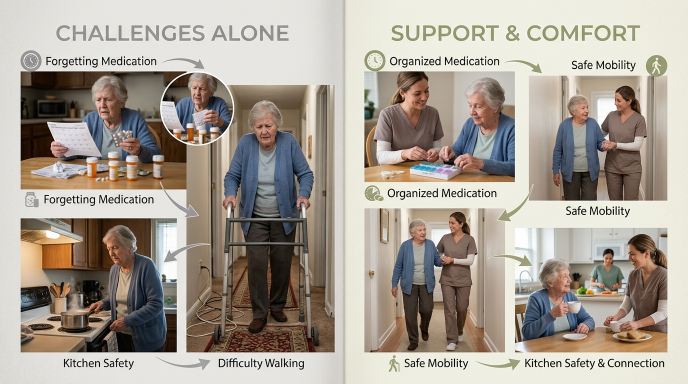
Small changes in daily habits and health can be early signs that home care is needed.
Personal Hygiene Is Declining
Bathing, grooming, and getting dressed require balance, coordination, and energy. When these tasks become difficult or unsafe, seniors may skip them without telling anyone. Unwashed hair or body odor. Wearing the same clothes for several days in a row Dirty or wrinkled clothing. Poor dental hygiene or skipping oral care. Poor hygiene can lead to skin infections, dental problems, and other health issues. A caregiver can help your loved one maintain dignity and cleanliness.
Memory Loss or Confusion Is Becoming More Noticeable
Forgetting where you put your keys happens to everyone. But when memory problems start affecting daily life, that is a more serious concern and possibly an early warning sign of dementia or Alzheimer’s disease. Memory issues do not always mean a person needs to leave their home. Many seniors with early-stage dementia do very well with in-home care and a consistent routine.
Difficulty Managing Daily Activities
Pay attention to how well your loved one is handling the basics of daily life. These tasks also called Activities of Daily Living (ADLs) are strong indicators of whether someone can safely live alone. These struggles often go unnoticed for months. A caregiver can step in and help manage these tasks while your loved one remains in control of their life.
Weight Loss or Poor Eating Habits
Nutrition is critical for older adults. When eating habits change, it can lead to weakness, illness, and rapid physical decline. Cooking can become difficult and exhausting for seniors, especially those living alone. An in-home caregiver can prepare balanced, healthy meals every day.
Medication Mistakes Are Happening
Medication management is one of the most important and most dangerous challenges for elderly adults. Many seniors take multiple prescriptions, and keeping track of all of them is genuinely hard. Improper medication use can cause serious health complications and hospital visits. A caregiver can provide daily reminders and help organize medications clearly.
Social Withdrawal or Isolation
Loneliness and social isolation are serious health problems for seniors. They are linked to depression, cognitive decline, and even a shorter life expectancy. When an elderly person starts pulling away from the people and activities they love, that is a red flag. A home caregiver provides not just physical help but companionship. Having a friendly, caring person visit regularly can improve a senior’s emotional well-being significantly.
Mood Changes or Increased Irritability
Personality and mood changes in older adults are not always just part of aging.They can signal underlying health issues, cognitive changes, or emotional distress. These changes can be difficult for families to handle on their own. A trained caregiver knows how to respond to behavioral changes with patience and calm.
Unsafe Living Conditions
A once-clean, organized home that now shows signs of neglect may indicate that your loved one can no longer manage on their own. Excessive clutter or signs of hoarding. Burn marks on the stove or kitchen counters. Poor lighting that increases fall risk Broken appliances or unmaintained home repairs. Piles of dirty laundry, trash, or dishes. These conditions are not just inconvenient, they are genuine safety hazards.
How Home Care Can Improve Your Loved One’s Life
Home care is not about taking away your loved one’s freedom. When a trained caregiver comes into the home, your loved one gets the help they need with everyday tasks like bathing, meals, and medications while still living in the place they feel most comfortable. They keep their routine, their belongings, and their sense of independence.
Beyond the physical help, home care also improves emotional well-being. Seniors who receive regular in-home support feel less lonely, less anxious, and more connected. Having a caring person visit consistently builds trust and companionship. And for the rest of the family, knowing a professional is there brings real peace of mind. Everyone gets to breathe a little easier, including your loved one.
How to Start the Conversation About Home Care
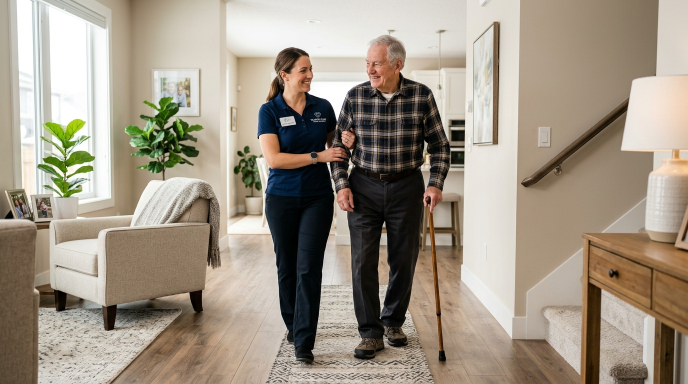
Starting the conversation about home care can feel uncomfortable, but it does not have to be. Choose a calm, quiet moment when everyone is relaxed and not in the middle of a stressful situation. Focus on safety and love, not weakness. Say something simple like, I just want to make sure you are safe and comfortable. Involving your loved one in the decision from the very beginning makes a big difference.
Be patient and listen without judgment. Your loved one may feel upset, defensive, or scared at first. That is completely normal. Give them time to process the idea and come back to the conversation gently if needed.
How to Choose the Right Home Care Provider
Choosing the right home care provider is one of the most important decisions your family will make. Look for an agency that has licensed and well-trained caregivers with proper background checks. Make sure they offer a personalized care plan built around your loved one’s specific needs, not a one-size-fits-all approach. Check their reviews, ask about emergency support availability, and make sure their pricing is clear and transparent with no hidden fees.
Is It Time to Find the Right Caregiver for Your Loved One?
You do not have to figure this out alone. At Care Match Home in Massachusetts is here to make the process simple, compassionate, and stress-free.
We specialize in matching families with experienced, trustworthy caregivers who provide personalized support tailored to your loved one’s specific needs. From companionship and personal care to medication reminders and dementia support, we are here every step of the way. Book your appointment. Your loved one deserves to age with dignity, safety, and comfort in the place they love most, their own home.
Conclusion
Noticing the signs that your elderly loved one needs help is not easy. It takes courage to face the reality of aging for them and for you. But here is the truth: getting help early is one of the most loving things you can do. It protects their safety, preserves their independence, and gives your whole family peace of mind.
Seeking home care is not giving up on someone. It is choosing to give them the best possible quality of life in the place they love most, their own home.
Frequently Asked Questions
How do I know when my parents can no longer live alone?
Look for a combination of signs of frequent falls, missed medications, poor nutrition, or unsafe living conditions. If their safety is regularly at risk and you can no longer manage on your own, it is likely time to consider professional home care.
What are the early signs an elderly person needs help?
Early signs include changes in personal hygiene, difficulty with daily tasks like cooking or paying bills, increased forgetfulness, unexplained weight loss, and social withdrawal.
Can home care help with dementia or Alzheimer’s?
Yes. Many home care agencies offer specialized memory care services. A trained caregiver can help manage routines, provide supervision, and reduce the safety risks associated with cognitive decline.
How many hours of home care does a senior usually need?
It depends on the individual. Some seniors need just a few hours of help per week, while others may need daily or 24-hour care. A good home care agency will do an assessment and recommend a plan based on your loved one’s specific needs.
What is the difference between home care and hospice care?
Home care supports daily living for seniors who are aging but not necessarily at the end of life. Hospice care is specialized medical and emotional support for people in the final stages of a terminal illness. They serve different purposes and different stages of life.